
World Alzheimer’s Month: the more you know, the more you can ~ ~ ~ ~ Dr. Domenico Pratico', MD, FCPP
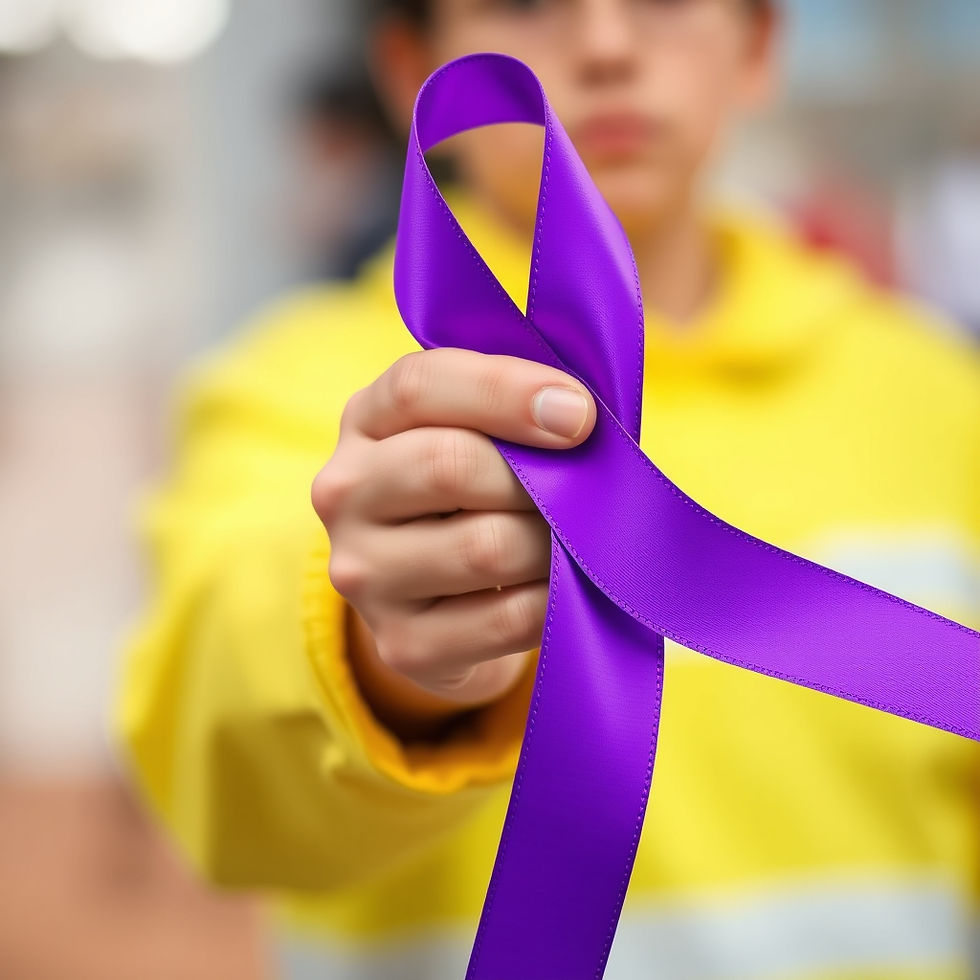
It has been 14 years since September was for the first time declared as World Alzheimer’s Month, an initiative aimed at raising awareness and challenging the stigmas surrounding Alzheimer’s disease and other forms of dementia worldwide and disseminate knowledge.
The month-long celebration is characterized by a series of events designed to educate more people about the disease and its impact on patients and their families.
It will culminate on September 21st, a day also known as World Alzheimer’s Day.
Importantly, this is an occasion for all of us to reaffirm our dedication to the cause by providing support to those affected by the disease and the caregivers, the unsung heroes of this human condition, who by working countless unpaid hours bear a heavy burden both emotionally and physically.

I firmly believe that this month is a wonderful occasion for all of us to showcase our relentless and collective effort to address the lack of understanding about Alzheimer’s disease and communicate and share new knowledge about it. By doing so, we will also accomplish another important task for this month, eliminate the stigma that still persists at many levels about the condition.
There are new key concepts about Alzheimer’s disease that need to be disseminated, new knowledge that needs to be shared with lay people.
After all, knowledge is power since the more you know and more you can.
We all know that the disease begins years before symptoms appear. This fact highlights the indisputable importance of making early and lifelong choices that promote healthy living and aging. Because the number of people living with dementia is expected to triple in the near future, we must act promptly on the well-known factors influencing brain health, cognition and dementia risk.

It is with a sense of urgency that we need to emphasize the role of lifestyle risk factors in Alzheimer’s disease and the importance of adopting measures that can actively and significantly reduce these risks, thereby preventing or delaying the onset of the disease. Consistent clinical studies show that up to 35-40% of Alzheimer’s cases could be prevented by addressing modifiable risk factors such as high blood pressure, type 2 diabetes mellitus, physical inactivity, and obesity.
To mark this World Alzheimer s Month, I would like to emphasize three key concepts we should all talk and ask about regarding Alzheimer's disease.
REDUCE THE RISK
While Alzheimer’s disease cannot be entirely prevented, adopting healthy lifestyle habits can reduce the risk. Staying mentally active, engaging in regular physical activity, and maintaining a healthy diet benefit both the body and brain.
EARLY DETECTION
Early detection is critical. An early diagnosis allows better access to quality medical care and support services and provides individuals with Alzheimer’s the opportunity to participate in decisions about their care, including giving informed consent for current and future plans.
WOMEN
It’s also important to recognize that Alzheimer’s risk is higher among women, who are more commonly diagnosed with the disease. More than two-thirds of Alzheimer’s patients are women, who have a one-in-six chance of developing the disease, compared to men who have a one-in-eleven chance.
As we continue our quest for a cure, rest assured that we are making meaningful progress through ongoing research, bringing us closer every day to that goal.
However, alongside this scientific journey, it is equally important to walk a parallel path of personal progress through healthy lifestyle choices and knowledge.
Let’s not forget that each day we can take positive steps, and that "it is never too early and never too late” to adopt lifestyle changes that will benefit our body and our mind!
Together let’s make memories last a lifetime!
If you are interested in reading more of my blogs:

Domenico Praticò, MD, holds the Scott Richards North Star Charitable Foundation Chair for Alzheimer’s Research and serves as a Professor at the Alzheimer’s Center at Temple, as well as a Professor of Neural Sciences at Lewis Katz School of Medicine at Temple University.
For more information on the research conducted by Dr. Domenico Pratico, please visit this link.
Connect with Dr. Domenico Pratico through LinkedIn, Facebook, Twitter, Medium.
Stay updated with the work happening at Dr. Domenico Pratico's lab by visiting the Pratico Lab website.



Comments